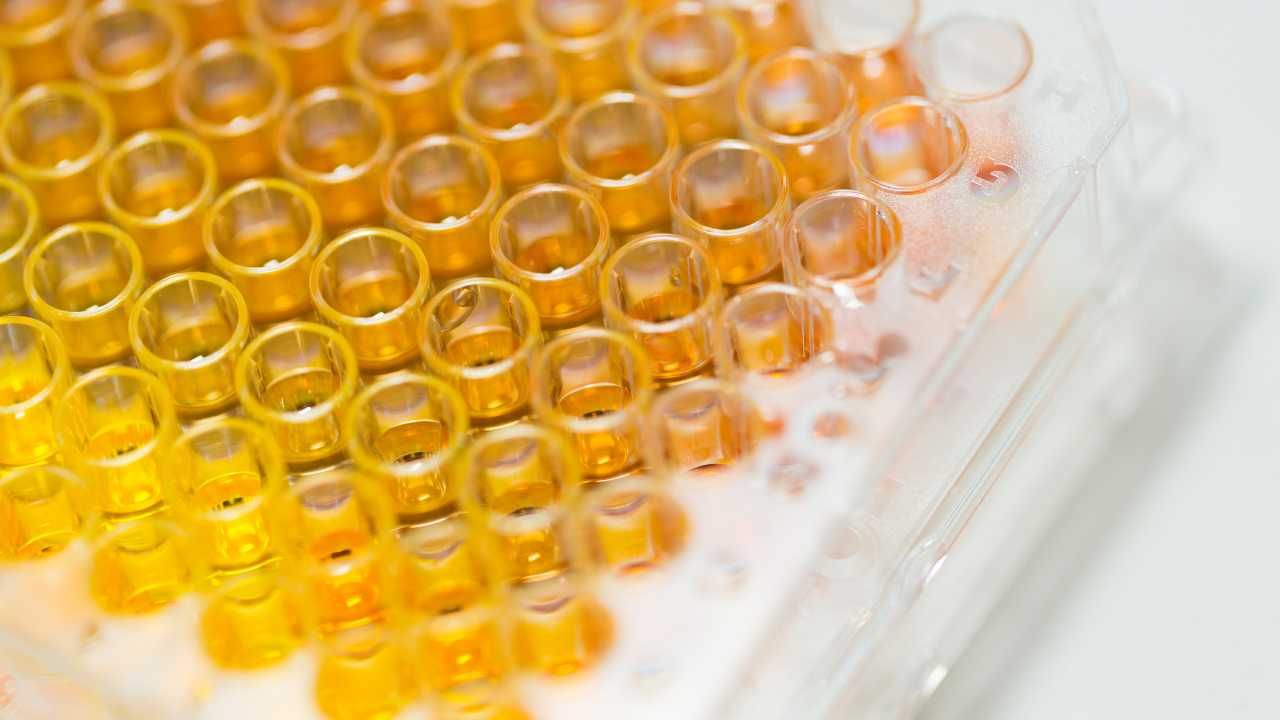
How to Use a 96-Well Plate for Microbial Growth Assays
Microbial growth assays are fundamental tools in microbiology and life sciences, providing insights into the proliferation, response, and behavior of microorganisms under various conditions. The 96 well plate template Excel has emerged as a versatile and efficient platform for conducting such assays, enabling researchers to simultaneously analyze multiple samples in a controlled and high-throughput manner. In this guide, we'll walk you through the step-by-step process of using a 96-well plate for microbial growth assays, ensuring accurate and reproducible results.
1. Preparation and Setup
Selecting the Appropriate 96-Well Plate:
Choosing the right type of 96-well plate is the first crucial step. Different plates come with varying well shapes, sizes, and materials. Consider factors such as cell or microorganism type, growth medium, and experimental requirements. Opt for clear-bottom plates if you plan to perform optical density measurements or fluorescence assays.
Preparing the Growth Medium:
Prepare the growth medium according to your experimental design and microbial strain. Ensure the medium provides the necessary nutrients for optimal growth. Sterilize the medium and distribute it evenly across all wells using a multichannel pipette to avoid inconsistencies.
Inoculation of Microorganisms:
Inoculate your microbial samples into the wells using aseptic techniques. You can use a multichannel pipette or automated liquid handling systems for precise and uniform distribution. Label the plate with necessary identifiers for accurate data tracking.
2. Controlling Experimental Conditions
Replicates and Controls:
Plan for replicates to ensure statistical significance. Include positive and negative controls to validate the assay's accuracy and sensitivity. Positive controls should be a strain with known growth characteristics, while negative controls should be sterile medium or a non-growing strain.
Sealing and Incubation:
Seal the 96-well plate using adhesive or heat-sealing films to prevent evaporation and contamination. Place the sealed plate in an incubator set to the desired temperature and conditions for microbial growth. Regularly check for condensation and any signs of contamination.
3. Monitoring and Analysis
Optical Density Measurements:
If monitoring bacterial growth, measure optical density at specific time intervals using a microplate reader. The clear-bottom design of some 96-well plates facilitates this process by allowing direct measurements without sample transfer.
Fluorescence and Luminescence Assays
For assays involving fluorescence or luminescence, use compatible 96-well plates. Measure fluorescence intensity or luminescence using appropriate filters on a microplate reader.
Data Interpretation:
Record and analyze the obtained data using software tools suitable for microplate analysis. Plot growth curves and calculate growth rates to understand the microbial response to different conditions.
4. Quality Control and Reproducibility
Validation and Calibration:
Regularly validate the assay's performance using known standards. Calibrate the microplate reader and other equipment to ensure accurate measurements.
Reproducibility and Troubleshooting:
Maintain consistent experimental conditions, and troubleshoot any issues that may arise, such as uneven growth or contamination. Document your methods and results meticulously for future reference.
5. Data Presentation and Reporting
Graphs and Figures:
Present your results in clear graphs or figures that illustrate the growth patterns and trends observed in your microbial growth assays.
Statistical Analysis:
Perform statistical analysis to determine the significance of differences between conditions. Use appropriate tests to validate your findings.
Discussion and Conclusion:
Discuss the implications of your results in the context of your research question. Highlight any novel insights or areas for further investigation.
Using a 96-well plate for microbial growth assays streamlines experimentation, enhances throughput, and promotes accuracy. By following this guide and tailoring the steps to your specific microorganisms and research goals, you can effectively utilize this versatile tool to gain valuable insights into microbial behavior and responses under varying conditions.
